

When in pain, it’s easy to feel helpless—and even harder to feel hopeful. During a pain episode, I often feel like the only reason I’m alive is simply because I haven’t died.
I just inserted a Voltaren suppository into my back door when I felt the early alarm that my flare-up was planning another round of a rave party—despite the fact that the body owner is an (acute) introvert. Maybe that’s why my head feels slightly clearer now, clear enough to write this mumbling post.
I started tracking my previous pain episodes across different seasons last year.
Physical pain and negative emotional states are deeply connected. Many people who live with chronic, persistent pain also struggle with negative emotions and a loss of motivation. Some eventually become clinically depressed.
I remember a good person in my life asking me a very simple question: “How are you feeling?”
That question somehow felt harder than physics, chemistry, or macroeconomics (subjects I know absolutely nothing about). And yet, it took me quite some time to answer. Because honestly, I didn’t know. I did not—and still do not—know how I am feeling right now.
So I Googled things like: Why don’t I know how I feel? Am I losing my ability to feel? Why does everything seem bland? That’s when I came across the term anhedonia.
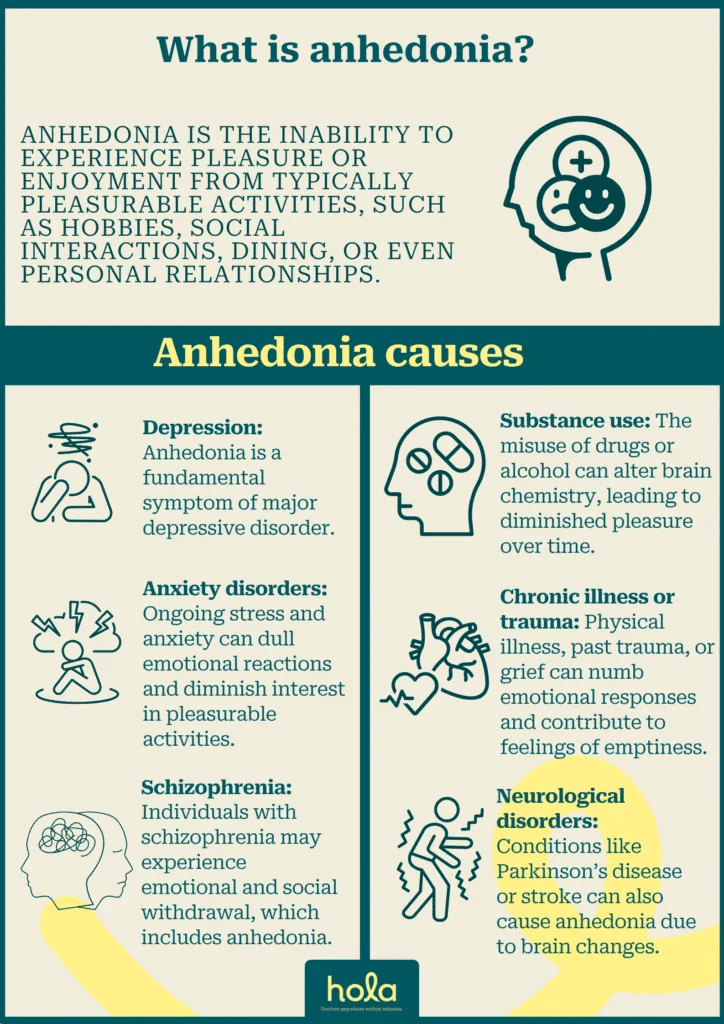
Suddenly, my answer made sense. “I feel like everything is just going the way it is, and nothing feels special.” It sounds apathetic. And maybe it is.
I remember certain pain episodes where I experienced severe stabbing sensations in my rectum and cervix, combined with spasms, burning pain, and cold sweats—so intense that I had to change my T-shirt every hour. I couldn’t stand on my feet anymore (later I learned that, yes, it can affect the nerves in your legs).
I remember turning to God and playing prayers on YouTube I embarrassingly can’t recall now. I tried my best to calm myself and practice gentle breathing—though it’s far harder than it sounds.
They say strong people must have gone through many breaking points. I am definitely not strong. And I don’t want many breaking episodes. But who am I to decide my own fate?
I try to look for silver linings. Maybe this moment is teaching me to think more about myself.
I remember another pain episode when I cried like a toddler—truly, devastatingly—and had a full monologue with God. It went something like this:
Me: “They say everything happens for a reason, but I cannot see the reason for thisssss.”
Me again: “Wait… does this mean I need to focus on my own healing journey and stop thinking about other thingsssss?”
Me, afterward: “I know I keep putting others before myself, I’m sorryyyy Godddd please take this awayyyyy.”
God (in my imagination): “Um… okay, but it’s not that easy.”
Me: “Nooooooooo.”
And yet, the pain persisted—until it eventually finished on its own.
When you’re in pain, you can’t help but question why the womb exists at all—if its only role seems to be causing misery. And yet, the moment you feel okay again, you forget those questions ever crossed your mind.
Funny how pain pushes us to think more critically.
Bonus song, unrelated to pain, but I just love this one:
 el.is.in.wonderland
Leave a comment